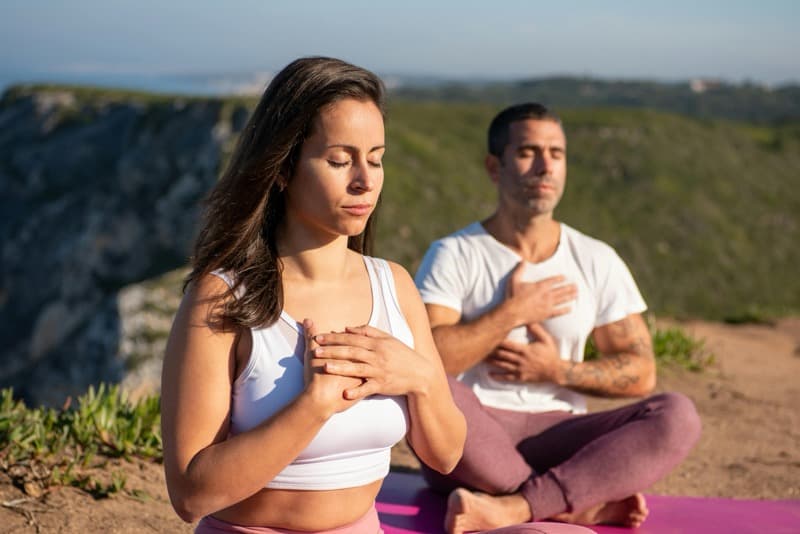
Meditation is one of the most effective ways to support your nervous system.
When practiced consistently, it helps shift the body out of stress and into a calmer, more balanced state. This is closely linked to vagus nerve activation, which plays a key role in how your body relaxes and recovers.
Understanding how meditation supports the vagus nerve can help you build a simple and sustainable practice for long term well being.
How Meditation Affects the Vagus Nerve
The vagus nerve is part of the parasympathetic nervous system, often referred to as the “rest and digest” response.
Meditation supports this system by:
Slowing down mental activity
Reducing stress responses
Bringing awareness back into the body
This is why vagus nerve meditation is such a powerful approach for calming the nervous system naturally.
If you are new to this, it can help to first understand how the vagus nerve works in our guide on what is the vagus nerve.
How to Activate the Vagus Nerve Naturally Through Meditation
Many people search for how to activate the vagus nerve naturally.
Meditation offers one of the most direct and accessible ways to do this.
Instead of trying to control the body, meditation creates the conditions for the nervous system to regulate itself.
This happens through:
Awareness
Stillness
Gentle attention to the present moment
Over time, this helps improve vagal tone and supports emotional balance.
Body Scan Meditation
One of the most effective practices for natural vagus nerve stimulation is the body scan.
This involves bringing attention slowly through different parts of the body, noticing sensations without trying to change them.
The body scan helps:
Release physical tension
Improve mind body connection
Support deep relaxation
For a guided approach, our NSDR Meditation course is one of the most effective body-based practices for vagal activation, helping you access deeper states of rest and recovery.
Loving-Kindness Meditation
Loving-kindness meditation focuses on generating feelings of warmth, compassion, and connection.
This practice can:
Reduce stress and negative thinking
Improve emotional regulation
Support a sense of safety and ease
These emotional states are closely linked to healthy vagus nerve function.
Open Awareness Meditation
Open awareness involves observing thoughts, sensations, and emotions without reacting to them.
Instead of focusing on one point, you allow everything to come and go naturally.
This helps:
Reduce reactivity
Create mental space
Support long term nervous system balance
If you want a structured way to explore these practices, our Essence of Meditation course covers body scan, open awareness, and compassion practices across 26 audio lessons, helping you build a strong foundation.
Why Meditation Works for Long Term Change
Meditation is not about instant results.
It works by gradually retraining how your nervous system responds to stress.
The key is:
Consistency over intensity
Short, regular sessions
A simple and realistic approach
Even five to ten minutes a day can begin to shift how your body and mind respond.
Making Meditation Part of Your Daily Life
The biggest challenge is not learning meditation, but making it part of your routine.
Start small:
A few minutes in the morning or evening
Short pauses during the day
Simple guided practices
Over time, this becomes a natural part of your day.
You can also explore how breath supports this process in our guide on vagus nerve breathing.
A Practical Approach to Vagus Nerve Health
Meditation offers a simple, natural way to support your nervous system.
It does not require special equipment or long sessions.
By creating small daily habits, you can improve vagus nerve health, reduce stress, and feel more balanced over time.
If you are ready to make meditation part of your daily life, ready to make this a daily practice? The free Path to Mindful Living course builds it into your life sustainably, helping you create a routine that lasts.