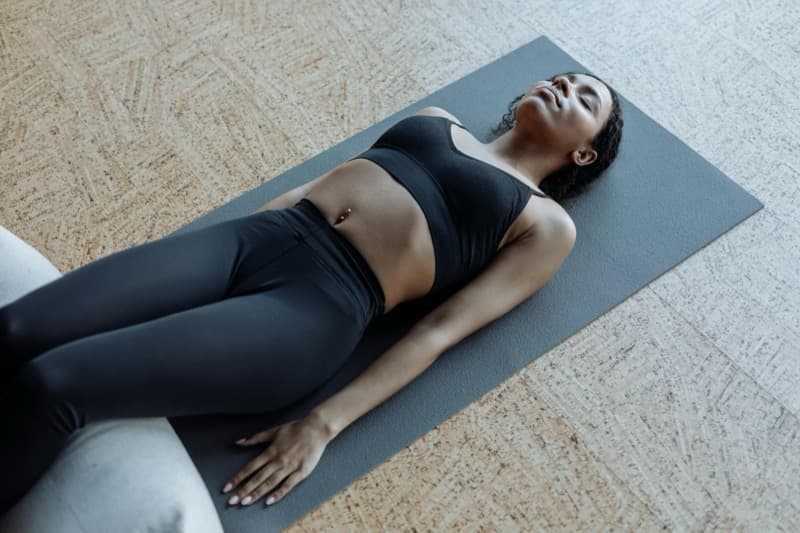
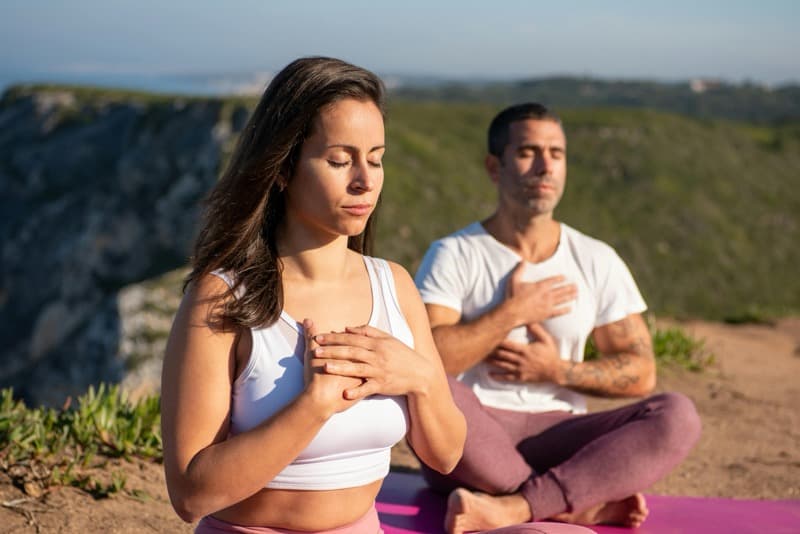
Anxiety is not just in the mind. It is deeply connected to the body and the nervous system.
When your system is stuck in a heightened state of stress, it can feel like you cannot fully relax, even when there is no immediate threat.
This is where the vagus nerve becomes important.
Learning how to work with the body, rather than against it, can help calm anxiety in a natural and sustainable way.
The Vagus Nerve and Anxiety
The vagus nerve plays a central role in regulating the nervous system.
When it is not functioning optimally, the body can remain in a constant state of alertness. This is often linked to vagus nerve anxiety symptoms such as:
Restlessness
Rapid breathing
Difficulty relaxing
Ongoing tension
Improving vagal tone helps the body shift out of this state and into a calmer, more regulated baseline.
If you want a deeper understanding of how this works, you can explore our guide on what is the vagus nerve.
Simple Vagus Nerve Exercises for Anxiety
There are a few vagus nerve exercises for anxiety that can help calm the system quickly.
These are simple, accessible, and can be done almost anywhere.
Extended Exhale Breathing
One of the most effective ways of calming the vagus nerve is by slowing down your breath.
Focus on:
Inhaling gently through the nose
Exhaling slowly and fully
Aim to make your exhale longer than your inhale.
This signals safety to the nervous system and helps bring the body out of a stress response.
If you want to build this into a consistent practice, our Foundations of Breathwork course walks you through the techniques most effective for anxiety, step by step.
Humming
Humming creates gentle vibrations in the throat, which directly stimulates the vagus nerve.
Try:
Inhaling normally
Humming slowly on the exhale
Even a few minutes can help shift your state and reduce tension.
Cold Water on the Face
Cold exposure, especially on the face, can activate a natural reflex that helps slow the heart rate and calm the body.
You can:
Splash cold water on your face
Or use a cool compress
This is a quick and effective way to reset during moments of stress.
Body Scan Awareness
Anxiety often pulls attention into the mind.
A simple body scan brings awareness back into the body.
Try:
Gently noticing areas of tension
Softening the body with each exhale
This helps reconnect with the present moment and supports vagus nerve stress relief.
For a more structured approach, the Emotional Regulation section of our Essence of Meditation course covers letting-go and dissolving practices built for exactly this.
Why Quick Fixes Are Not Enough
These techniques can help in the moment, but lasting change comes from consistency.
The nervous system responds best to:
Repetition
Gentle daily input
Simple, sustainable practices
This is how you improve vagus nerve anxiety patterns over time, not just manage symptoms.
Building a Daily Practice for Anxiety
You do not need long sessions to see results.
Start with:
5 to 10 minutes of breathwork
Short moments of awareness throughout the day
Simple evening practices to unwind
Over time, this creates a more stable and resilient nervous system.
You can also explore how this connects to better sleep in our guide on vagus nerve exercises for sleep.
A Natural Way to Calm Anxiety
Working with the vagus nerve offers a different approach to anxiety.
Instead of trying to control thoughts, you support the body directly.
This creates a more grounded, sustainable shift.
If you want guided practices you can use regularly, our NSDR Meditation for Relaxation and Better Sleep course is a practical next step, helping you calm the nervous system and build a consistent routine.